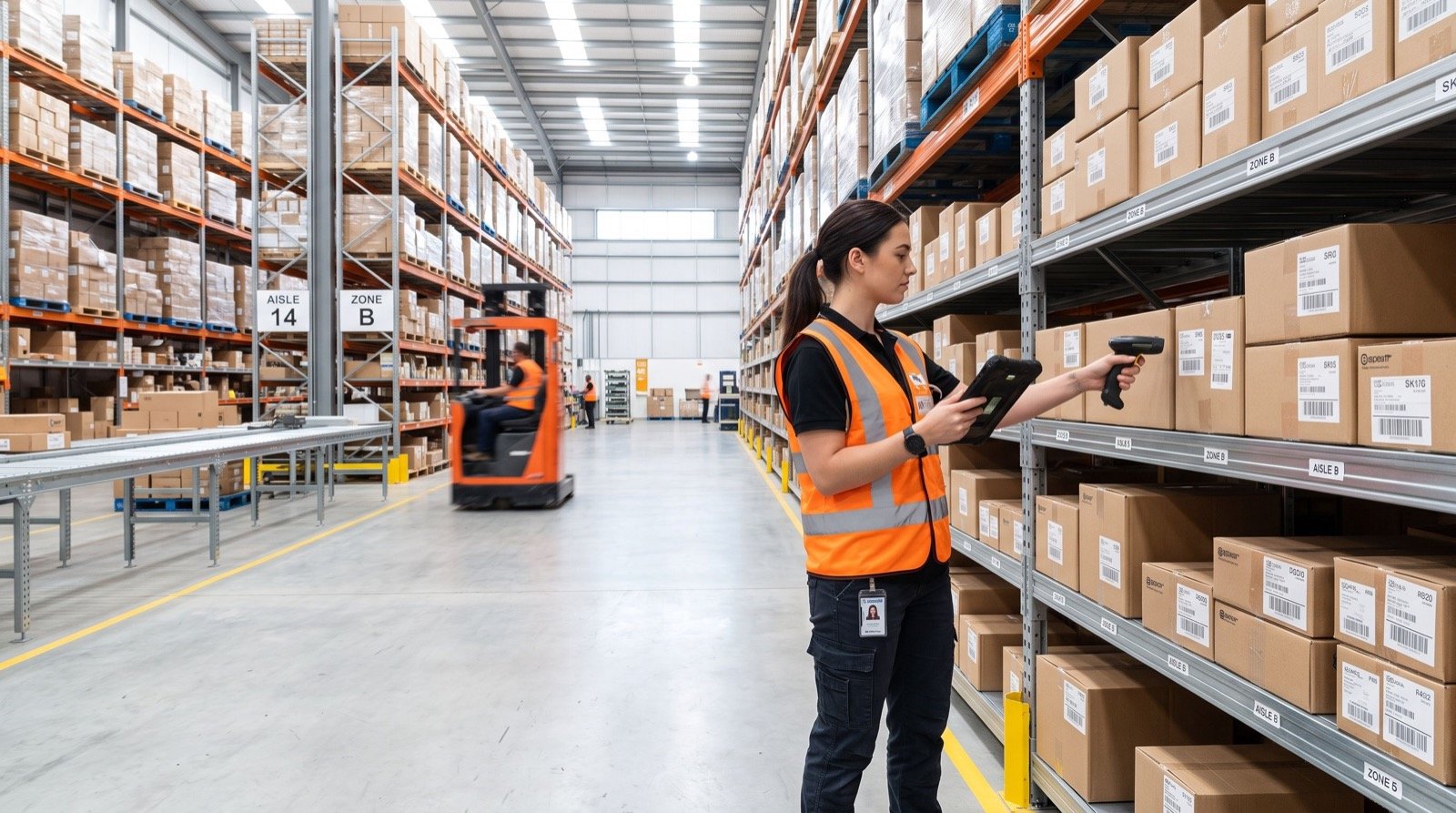
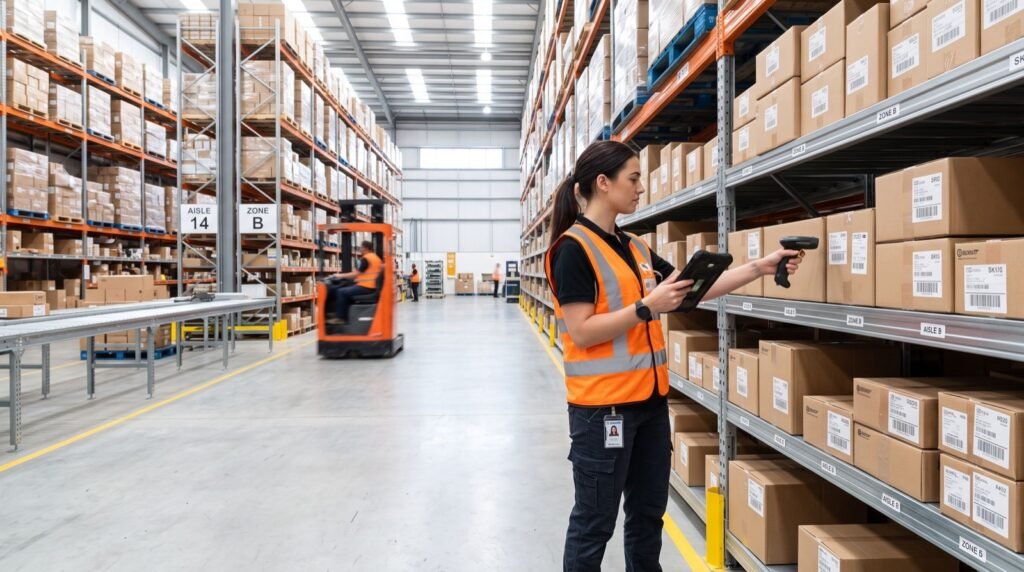
Storage for Wholesalers and Retailers in Fashion Supply Chains
Few sectors test warehousing like apparel, which is why Storage for Wholesalers and Retailers in the fashion trade demands a different playbook. Garments wrinkle, seasons turn over fast, and a single misplaced SKU can mean a sold-out size and a lost sale. In 2026, as Saudi Arabia’s fashion market grows across malls, boutiques, and online stores, smart storage is what keeps collections moving from the importer to the shop floor.
This guide focuses on how clothing wholesalers and retailers should think about storage, from fabric care to fast replenishment, and how to choose a facility built for the rhythm of fashion.
Why Storage for Wholesalers and Retailers Is Different in Fashion
Fashion inventory is unforgiving. Unlike shelf-stable goods, garments carry style, size, and season variables that multiply the number of SKUs a business must track. A mid-sized boutique chain can juggle thousands of distinct items at once. Storage for Wholesalers and Retailers in this space must therefore combine careful handling with precise inventory control.
Saudi Arabia’s non-oil retail economy, tracked by the General Authority for Statistics, continues to expand, and apparel is a major driver. More demand means more stock in motion, and more stock means warehousing that can scale without sacrificing care.
The Fabric Factor
Heat and humidity are the enemies of textiles. Poor conditions cause mildew, fading, and permanent creasing. Quality facilities control climate and keep garments on racks or shelving rather than crushed in boxes, preserving the look buyers expect.
Handling the Seasonal Rush
Fashion lives and dies by the calendar. Collections arrive in waves, and demand spikes around Eid, back-to-school, and winter transitions. Storage must flex to absorb these surges without leaving you paying for empty space in the quiet months.
- Pre-season intake — bulk receiving and sorting before a collection launches.
- Peak replenishment — rapid picking to keep bestsellers in stock.
- End-of-season holding — safe storage for carry-over and sale stock.
- Returns processing — inspection and restocking of returned items.
A provider offering dedicated Storage for Wholesalers and Retailers can structure space around these phases so you scale up for launches and scale down afterward.
What Features Should Fashion Storage Include?
Clothing needs more than a dry roof. When comparing facilities, insist on features that protect both the product and the speed of your supply chain.
- Garment-friendly racking and hanging systems to prevent creasing.
- Climate control that manages heat and humidity year-round.
- Barcode or RFID tracking for size and style-level accuracy.
- Fast pick-and-pack bays for e-commerce and store replenishment.
Specialist Storage for the Fashion Industry brings these elements together, treating apparel with the handling and precision it demands rather than stacking it like generic cargo.
Comparing Storage Approaches for Apparel
The table below contrasts common storage approaches fashion businesses weigh in 2026.
| Approach | Best For | Strength | Watch Out For |
|---|---|---|---|
| Boxed shelving | Folded basics, accessories | Space efficient | Creasing if overpacked |
| Hanging garment racks | Suits, dresses, outerwear | Preserves shape | Needs more floor area |
| Bulk pallet | Wholesale import volume | High capacity | Slower item-level picking |
| Pick-and-pack bays | Online retail orders | Fast fulfillment | Requires tight tracking |
Inventory Accuracy Wins the Season
In fashion, availability is everything. A customer who cannot find their size rarely waits; they move on. That makes inventory accuracy the single biggest lever for sales. Modern facilities pair barcode or RFID scanning with real-time dashboards so you always know what sits where.
One original insight worth adopting: store by velocity and size curve, not just by style. Keeping your most-demanded sizes nearest the dispatch point speeds replenishment and reduces the stockouts that quietly erode a season’s revenue.
Choosing the Right Partner
Infrastructure matters, but the people behind it decide whether your stock stays safe and your orders ship on time. Work with an experienced local team that understands fashion logistics and the Saudi market’s seasonal swings.
Ask how they handle returns, how quickly they onboard a new collection, and what reporting you receive. A partner aligned with the goals of Saudi Vision 2030 and its logistics ambitions will treat your supply chain as a shared priority, not an afterthought.
Frequently Asked Questions
How does Storage for Wholesalers and Retailers help fashion businesses?
It gives apparel traders climate-controlled, trackable space that protects garments and speeds replenishment. That means fewer damaged items, fewer stockouts, and faster delivery to stores and online customers.
Should clothing be stored hanging or folded?
It depends on the item. Structured pieces like suits and dresses store best hanging, while folded basics and accessories suit shelving. A good facility supports both so you avoid creasing and save space where it makes sense.
Can small boutiques use wholesale-grade storage?
Yes. Scalable units and pick-and-pack bays let small retailers access professional storage and pay only for the space they need, with room to grow during peak seasons.
How is seasonal fashion stock managed efficiently?
By flexing space across intake, peak replenishment, and end-of-season holding. Flexible contracts let you expand before a launch and reduce space once the season winds down.
Supporting Omnichannel Retail From the Warehouse
Today’s fashion shopper moves fluidly between the mall, the website, and social commerce. Behind that seamless experience sits a warehouse that must serve every channel from a single pool of stock. This is where modern storage earns its keep.
When your inventory lives in one accurate system, you can fulfill a boutique restock, a click-and-collect order, and a same-day delivery from the same shelves. That flexibility prevents the classic problem of stock sitting idle in one channel while another sells out.
To run true omnichannel fulfillment, prioritize these capabilities:
- Unified inventory — one real-time view across stores and online.
- Flexible picking — bulk for stores, single-item for e-commerce.
- Fast returns handling — quick inspection and restocking to recover value.
- Scalable space — room to absorb launches and promotions.
Retailers who connect their storage directly to their sales channels react faster to trends, restock bestsellers overnight, and avoid the markdowns that come from stock stranded in the wrong place. In a fast-moving fashion market, that agility is the difference between a sold-out hit and a clearance rack.
Final Thoughts
In the fashion trade, Storage for Wholesalers and Retailers is a competitive weapon, not a line item. The businesses that protect their garments, track every size, and replenish fast are the ones that capture the sale while it is hot. As Saudi Arabia’s apparel market grows through 2026, choose a facility and a team built for the pace of fashion. Ready to keep your collections selling? Explore storage designed for wholesalers and retailers in fashion today.